Physical Address
304 North Cardinal St.
Dorchester Center, MA 02124
Physical Address
304 North Cardinal St.
Dorchester Center, MA 02124

Liberalizing Cities
From The Ground Up
Recently I saw an argument on X that went something like this: Person A- infill is cheaper than sprawl because no one has to build new sewer lines! Person B- Sprawl is cheaper because its more expensive to build in…
Every so often I read a tweet or listserv post saying something like this: “If modern buildings were prettier there’d be less NIMBYism.” I always thought this claim was silly for the simple reason that in real-life rezoning disputes, people…
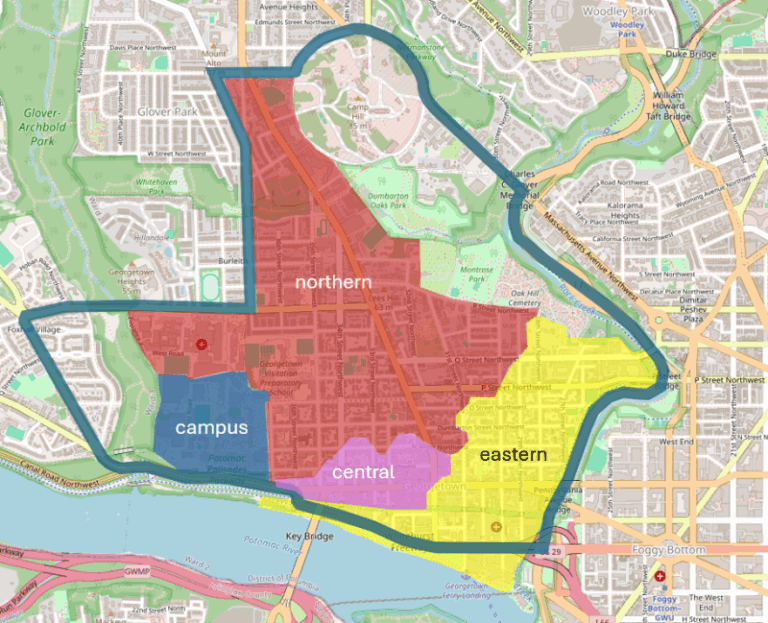
In Greater Greater Washington, my dad and I have a new editorial explaining how a ring-and-access traffic circulation plan inspired by the Netherlands can keep necessary traffic moving while delivering neighborhood streets and iconic shopping streets from traffic. Read the…
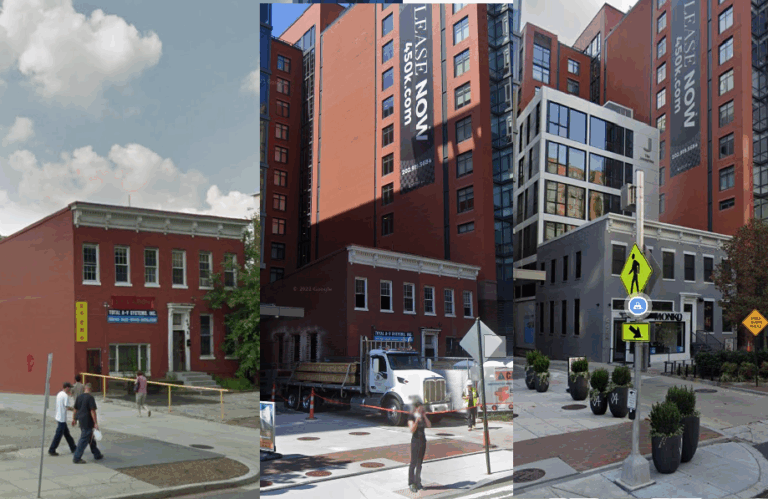
I walked down the 400 block of K St with an international guest last night. It was hard to describe the transformation of the street. Google Streetview, however, has been there almost since the beginning. 2007 2011 2014 2017 2018…
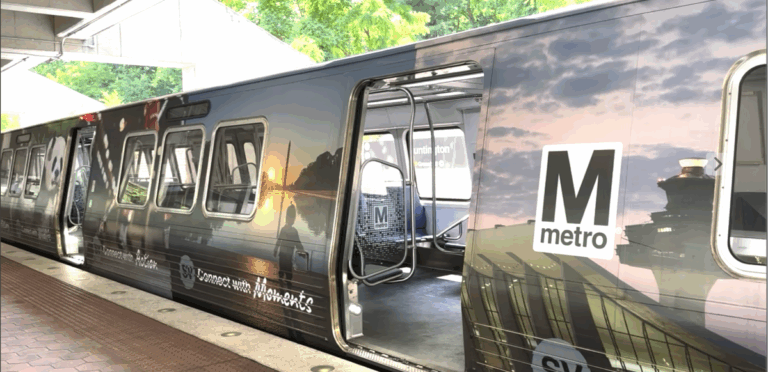
Colleges are the perfect place for walkable neighborhoods, yet many colleges don’t focus on Transit Oriented Development. The Purple line going through the University of Maryland is a key expansion point for the D.C metro and will allow greater connections…
I recently saw a tweet complaining that left-wing YIMBYs favored urban containment- a strategy of limiting suburban sprawl by prohibiting new housing at the outer edge of a metropolitan area. (Portland’s urban growth boundaries, I think, are the most widely…
walkable suburbs have as many children as more typical suburbs
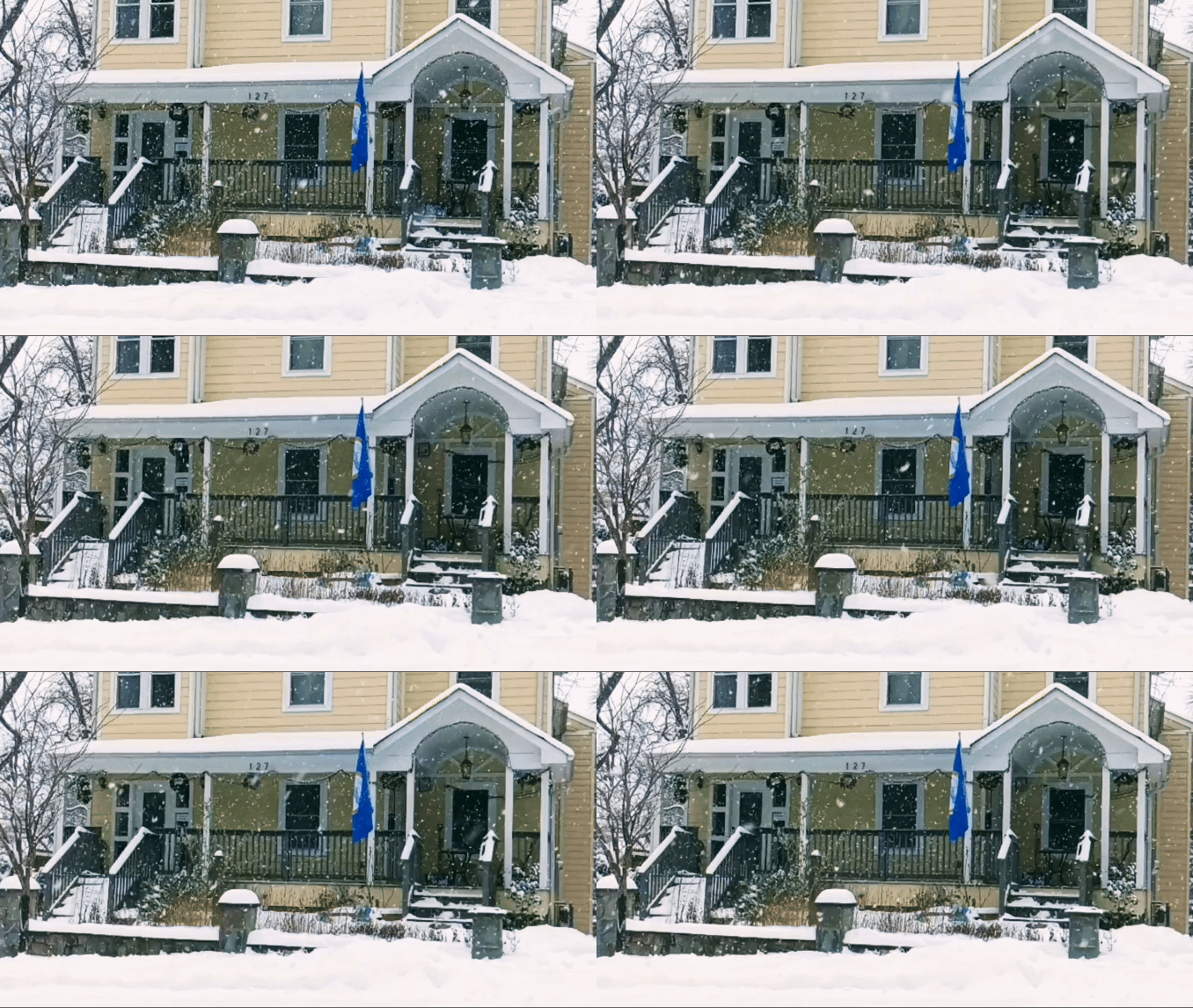
Snowfall reveals a curiosity of the commons and - Alan Cole claims - something about the character of urban progressives.
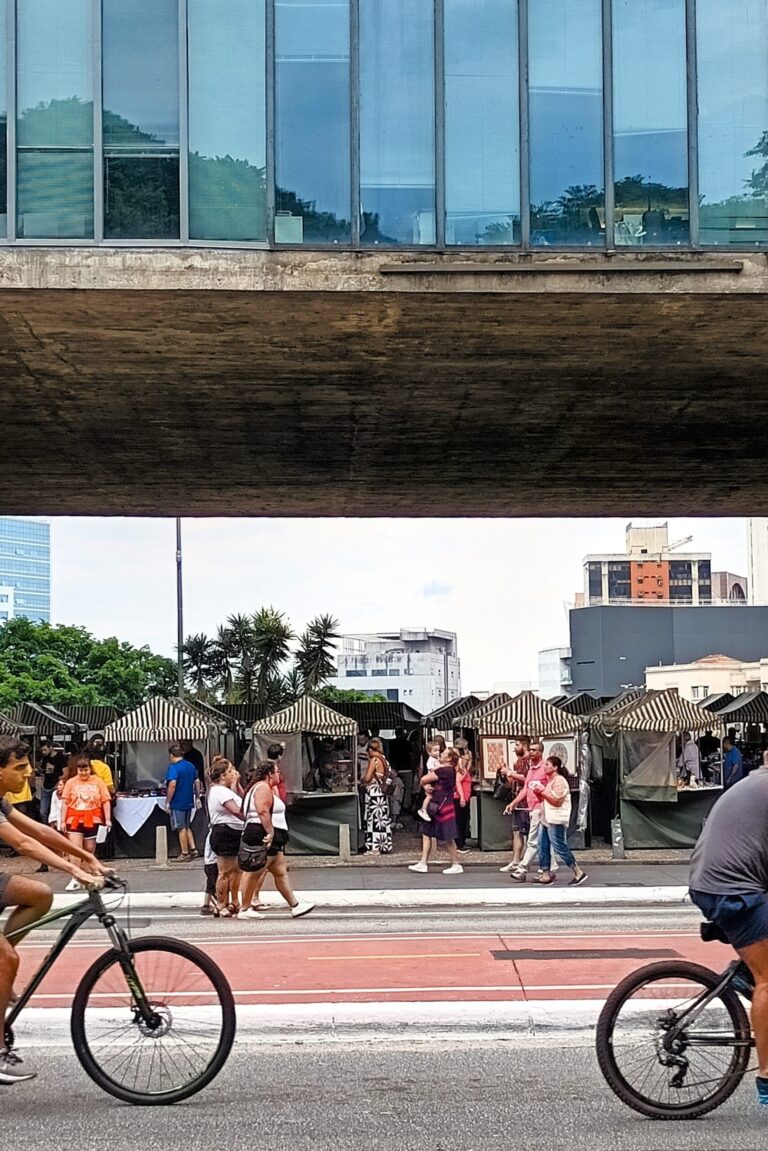
Because there are no market signals that could identify the best and highest use of street space, it is the role of urban planners to allocate the use of street space between different users and to design boundaries between them where needed.
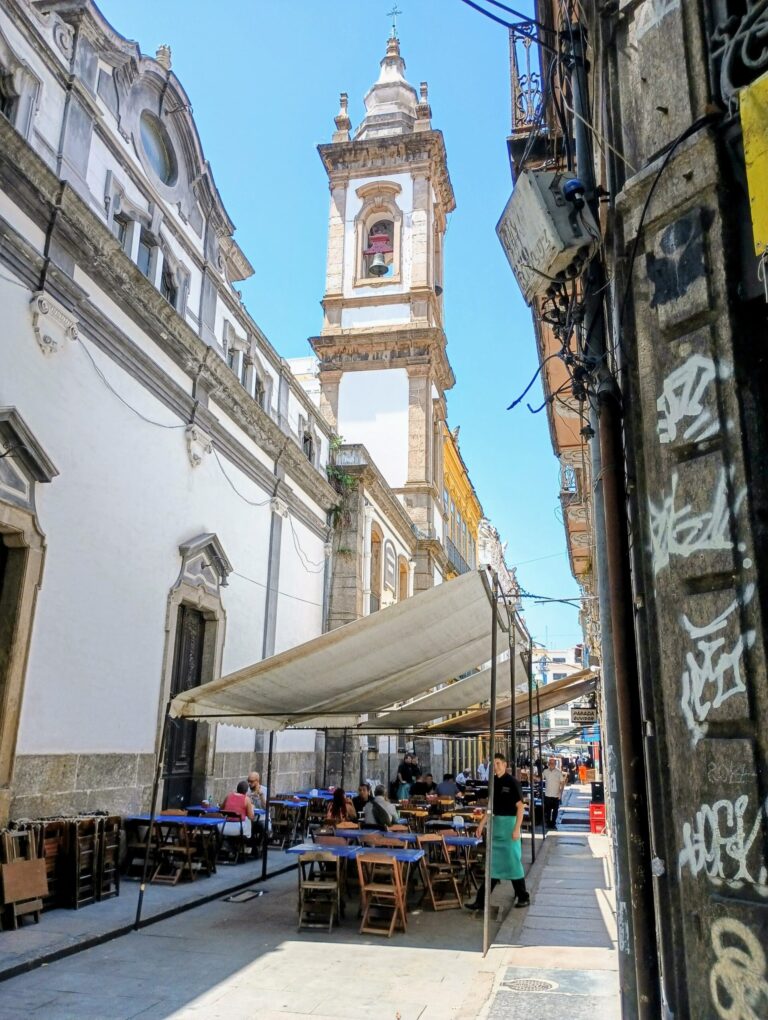
Cities have always invited us to be constantly on the move. We move around to get to work, go shopping, meet friends, attend a concert, visit an art exhibition, and take advantage of all the many activities that a metropolis offers.