Physical Address
304 North Cardinal St.
Dorchester Center, MA 02124
Physical Address
304 North Cardinal St.
Dorchester Center, MA 02124

Liberalizing Cities
From The Ground Up
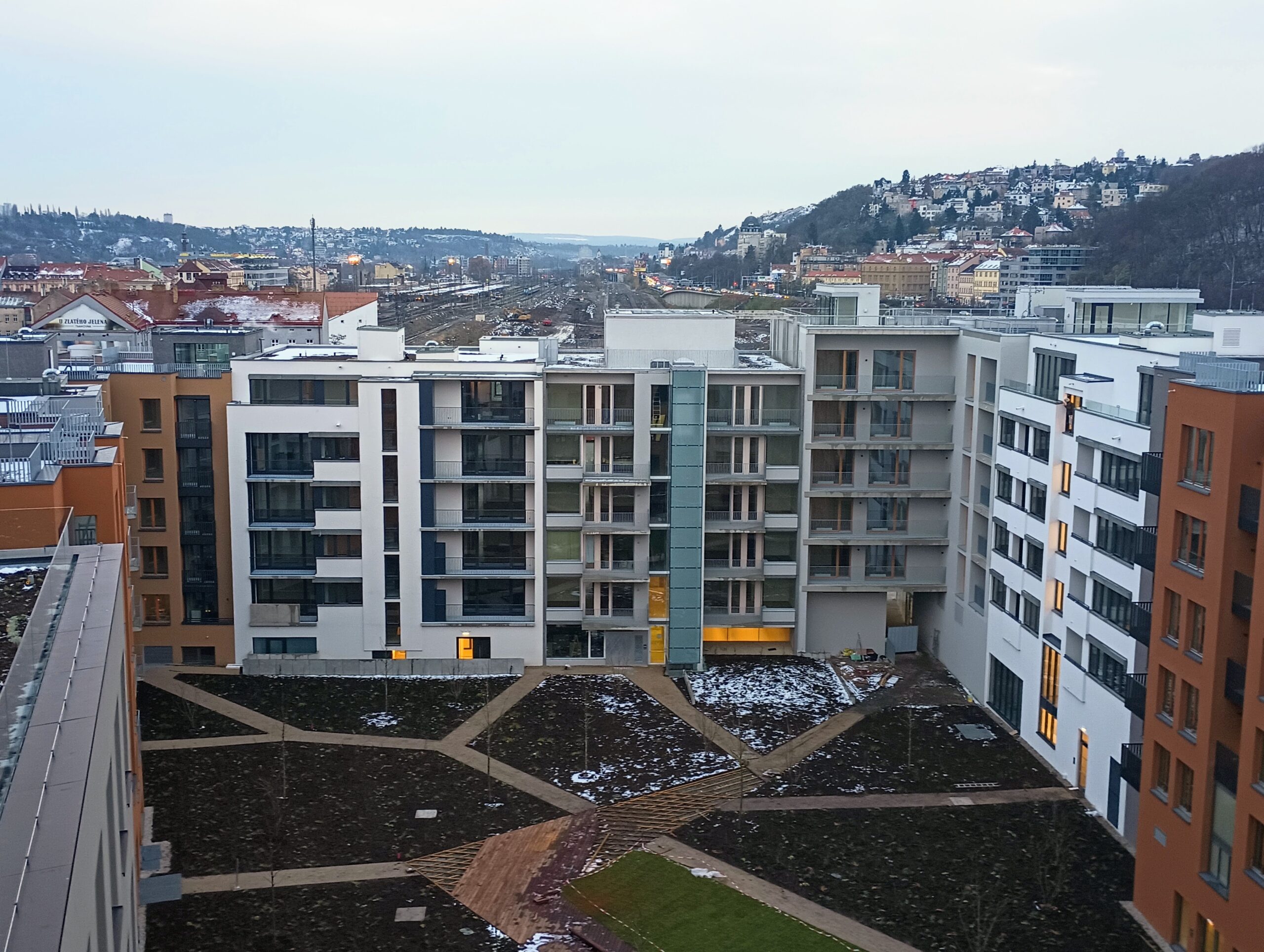
Samuel Hughes asks an excellent question in Works in Progress: Why aren’t there any YIMBYs, or NIMBYs for that matter, in continental Europe? It’s not for lack of high home prices.
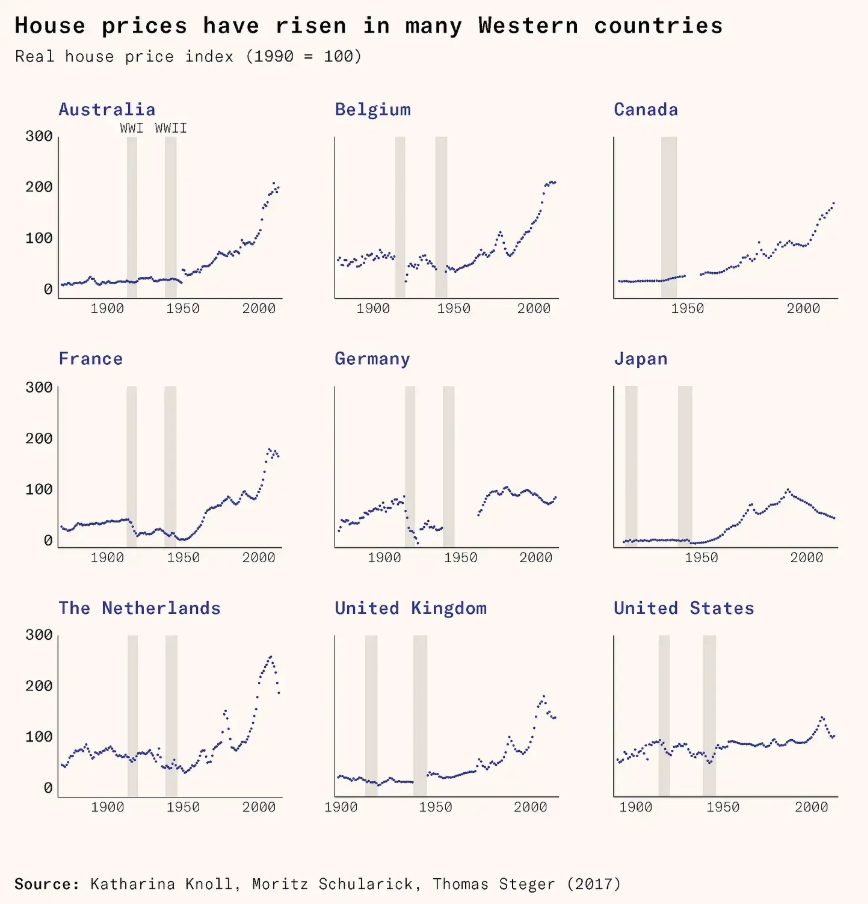
Instead, Hughes hypothesizes that underlying NIMBYism is in fact stronger in Europe – strong enough that it is rarely challenged and aroused. There are a lot of empirical claims here, and the story probably differs substantially country to country as it does region to region in the U.S.
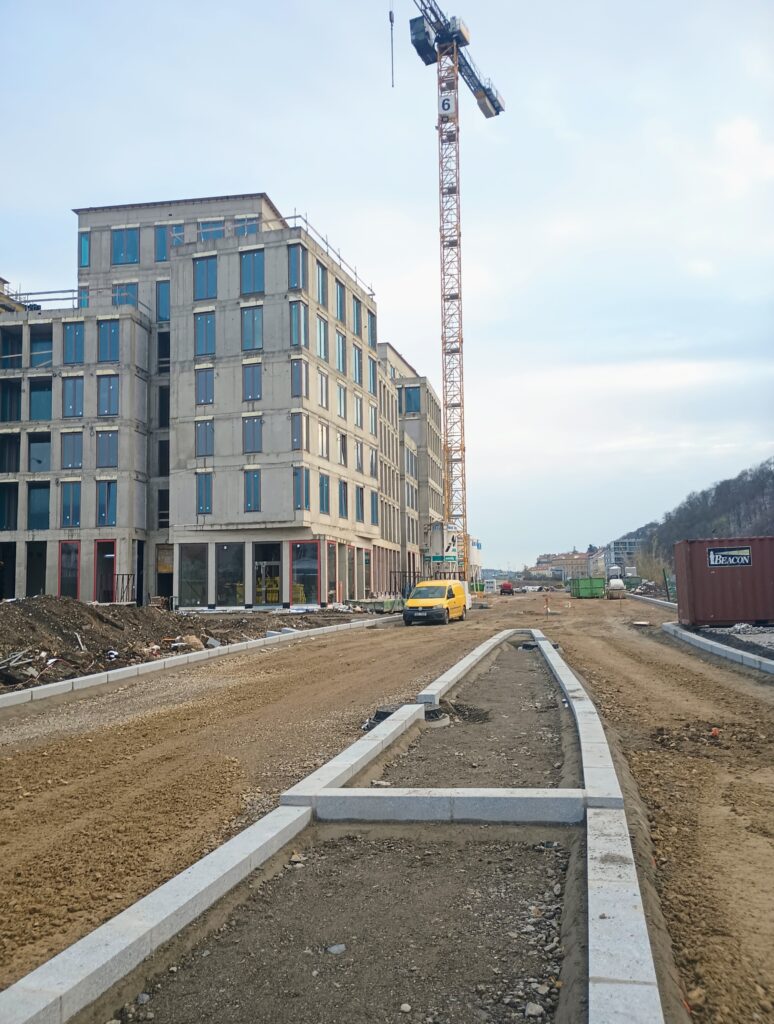
One place where there’s outspoken NIMBYism and at least a small YIMBY cadre is Prague, a regular contender for least affordable city in the world. The Liberální Institut talks about housing costs with arguments about markets and regulation that would be familiar to English speakers. The organization translated Alain Bertaud’s book into Czech, Města bez plánu. There’s no German or even French edition (“they ask if I can take out the word ‘markets’,” he tells me). When Alain and I visited Prague, policymakers explained their housing crisis as the result of powerful, highly local governments, none of which wants disruption. We visited Smichov City, a master-planned development on formerly industrial land, but that took years to wend its way through the many tiers of approval.
It’s long past time to retire the idea that high housing costs are an Anglosphere problem. More research, commentary, and advocacy, especially from Europeans, would be a welcome addition to the global YIMBY discourse.





I had a conversation with a German journalist. Germany has started to see some price appreciation recently, but before that, housing costs were pretty flat. He said that it’s sort of the opposite of the US there. Infill building was easier, but increasingly what we might call NIMBYism comes more from the green parties who oppose expansion into the greenfield, and increasing obstructions on that margin might be a cause of very recent housing inflation. If that’s true, NIMBYism there would probably mostly just be part of the identity of environmental activists, and wouldn’t have a separate identity as an urban political factor. They wouldn’t see themselves as opposing some form of housing, or managing the socioeconomic character of their town. They would see themselves as saving the forest, etc.
That makes sense. Germany is also pretty unique from France, the Netherlands, and others in Western Europe with a low rate of homeownership and some other distinct factors – it looks different in the chart I reposted here. It might just be that characterizing “continental” housing markets is a fool’s errand.
Also, low European crime rates and excellent public transportation might make it easier for priced-out middle-class people to move into poorer or more distant areas than in, say, Chicago, which in turn makes them less discontented than they would be in the U.S.
I wonder if part of the difference isn’t just the level at which these debates happen: community-level versus bureaucratic. After all, it’s not as if the French state (which I’m more familiar with in this respect) doesn’t care about homebuilding; Macron and the political center have been vocal for years about the need to increase home construction (with mixed success), and a large part of the justification for the Grand Paris Express, as expressed by Sarkozy, was to enable homebuilding-via-densification in the Paris suburbs (which has been quite successful, albeit not without its own controversies). On the other hand, in the US, higher levels of government have basically sworn off of housing policy (at least until recently), leaving home regulation entirely to local government and its fireworks-prone town halls. It makes sense that YIMBYism in the US context would manifest as fiery local-level activism, rather than in debates at higher levels of government, like in the UK or France.
As a quick addendum to my earlier comment, it also makes sense to me that European governments would prefer to deal with the issue through direct intervention—social housing construction, supercharging brownfield development, or the construction of planned suburban extensions (e.g. Vienna’s Seestadt Aspern)—rather than via market-based deregulation, which is something that the politicial establishment (and particularly the political left) in many of these countries is uncomfortable with. As I see it, it comes down to a difference in urban development traditions, and in the level of state involvement/state capacity.