Physical Address
304 North Cardinal St.
Dorchester Center, MA 02124
Physical Address
304 North Cardinal St.
Dorchester Center, MA 02124

Liberalizing Cities
From The Ground Up
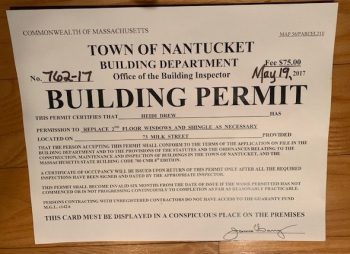
In a recent post, I revealed the 91 large cities and counties that consistently fail to report complete data to the federal Building Permit Survey (BPS). But what about smaller jurisdictions, which often have weak record-keeping and slim staffs – and what about states made up of many such small jurisdictions? The gold standard for counting housing units is the Decennial Census. That shows that the number of homes in Massachusetts grew from 2,622,000 in 2000 to 2,808,000 in 2010 to 2,998,000 in 2020. Even though building permits do not always result in completed homes, local reports and Census Bureau interpolations fall well short: It’s possible that some building permits pulled in 2007-2009 were delayed by the Great Recession but completed after the 2010 census. Taking the twenty-year period together, the BPS (2000-2019) is only picking up 84 percent of completed homes – not to mention those that are permitted but abandoned. Looking ahead, Gov. Healey’s administration has estimated (poorly) that the commonwealth needs 222,000 new homes by 2035. How does that compare to recent production? We don’t have a 2024 Census. But if we assume that reported 2015-2024 building permits turn into housing at the same rate that 2000-2019 building permits did, we can get a working estimate. The BPS reports 167,000 Bay State building permits from 2015 through 2024 (with extrapolation for December, 2024). That means that something closer to 199,000 new homes were likely completed in that period. If that’s true, then the administration’s “housing need” estimate is just 12% higher than recent construction – which has been inadequate to prevent a huge upswing in rents and prices.
A review of a book that endorses more flexible zoning, but doesn't reject zoning entirely.
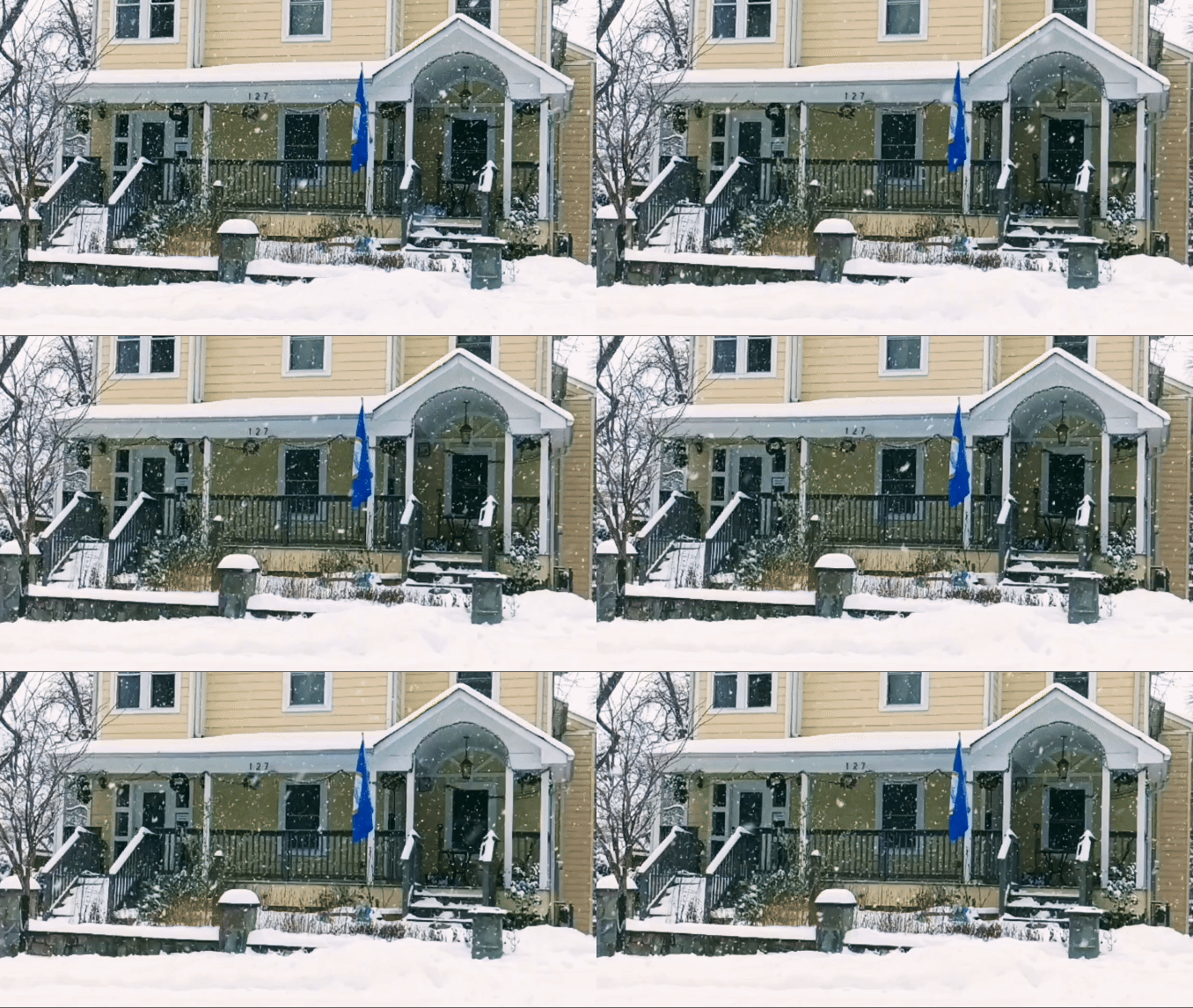
Snowfall reveals a curiosity of the commons and - Alan Cole claims - something about the character of urban progressives.
In New York City, one common argument against congestion pricing (or in fact, against any policy designed to further the interests of anyone outside an automobile) is that because outer borough residents are all car-dependent suburbanites, only Manhattanites would benefit. For example, film critic John Podhoretz tweeted: “Yeah, nothing easier that taking the subway from Soundview or Gravesend or Valley Stream.” Evidently, Podhoretz thinks these three areas are indistinguishable from the outer edges of suburbia: places where everyone drives everywhere. But let’s examine the facts. Soundview is a neighborhood in the Southeast Bronx, a little over 8 miles from my apartment in Midtown Manhattan near the northern edge of the congestion pricing zone. There are three 6 train subway stops in Soundview: Elder Avenue, Morrison Avenue, and St. Lawrence Avenue. Soundview zip codes include 10472 and 10473. In zip code 10472* only 25.7 percent of workers drove or carpooled to work according to 2023 census data; 59.6 percent use a bus or subway, and the rest use other modes (including walking, cycling, taxis and telecommuting). 10473, the southern half of Soundview, is a bit more car-oriented- but even there only 45 percent of workers drive alone or carpool. 41 percent of 10473 workers use public transit- still a pretty large minority by American standards, and more than any American city outside New York. In the two zip codes combined there are just 45,131 occupied housing units, and 24,094 (or 53 percent) don’t have a vehicle. In other words, not only do most Soundview residents not drive to work, most don’t even own a car. Gravesend, at the outer edge of Brooklyn over 12 miles from my apartment, is served by three subway stops on the F train alone: Avenue P, Avenue U and Avenue X. It is also served by […]
Builders seeking approval for proposed real estate developments must in almost all American localities navigate a complex series of required procedural steps, but for those who persevere and succeed in obtaining a permit, one eleventh-hour device can bring all those efforts to naught: the objector lawsuit. Easy to file but difficult to resolve, lawsuits by development opponents even when unsuccessful can delay projects by a year or more, playing havoc with cost and time estimates. Why are these suits so simple to start? The American common law system sets a low bar for a plaintiff to establish a right to maintain a lawsuit — known as “standing” — in which the mere claim that an injury has occurred, or even may occur in the future, is sufficient to keep a case moving along. Recognizing plaintiffs’ interest in having their day in court and the prudential consideration of having claims decided on their merits, judges will rarely find an injury to be so minor, indirect or speculative that it’s not worth judicial attention. While these considerations are important, they were not formulated with the expectation that they would be used to thwart individual exercise of property rights and the ordinary activities of civilized life. Some may recall the 1972 Supreme Court case of Sierra Club v. Morton, where the Court narrowly (4-3) decided that an environmental organization couldn’t rely upon alleged injuries to nature, rather than to the organization itself, to establish its right to sue to stop a planned ski resort, and which resulted in a dissent by Justice Douglas arguing for “conferral of standing upon environmental objects to sue for their own preservation.” The holding was quickly a moot point, as environmental organizations and other entities opposed to development recognized that they could recruit individual members who could allege […]
We identified large 91 cities and counties that regularly fail to report their building permits to the Census Bureau - including some surprising culprits.
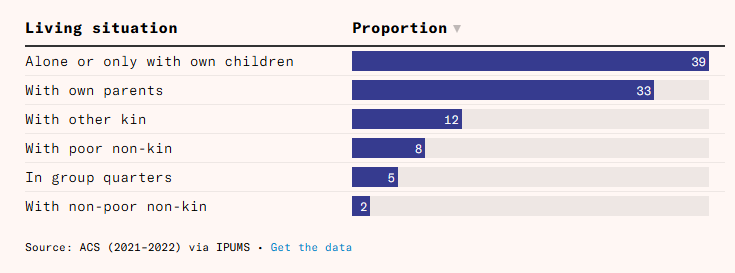
We can all understand the distinction between individual and systemic causes of homelessness. Can we apply the same rigor to potential solutions?
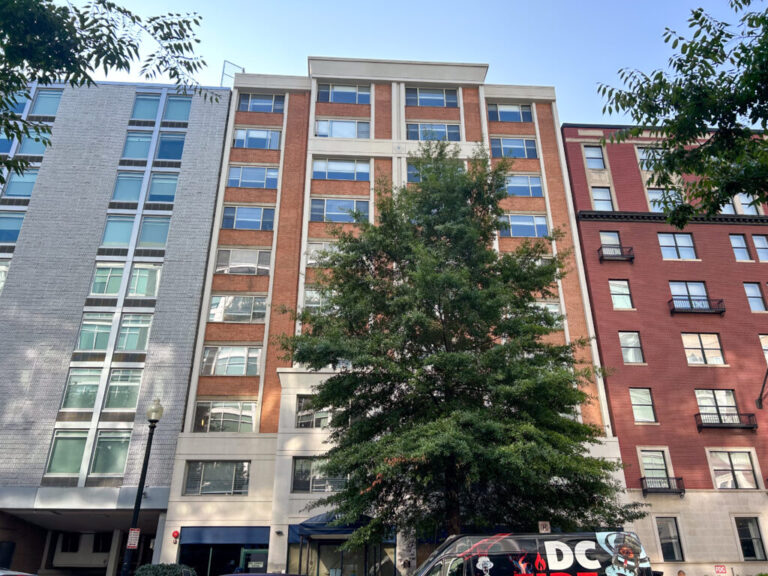
An old dorm becomes a new shelter for homeless families in DC.
In recent years, three states have legalized or decriminalized jaywalking: Virginia and Nevada did so in early 2021, and California legalized jaywalking at the start of 2023. The traditional argument for anti-jaywalking laws is that they protect pedestrians from themselves, by limiting their ability to walk in dangerous traffic conditions. If this argument made sense, we would have seen pedestrian traffic fatalities increase in less punitive states. For example, if jaywalking laws were effective, California’s pedestrian death rate would have increased in 2023 (when jaywalking was legalized). Instead, the number of deaths decreased from 1208 to 1057, a 12 percent drop. (Relevant data for all states is here). Although pedestrian deaths decreased nationally, the national decrease was only about 5 percent (from 7737 to 7318). On the other hand. the data from Nevada and Virginia is less encouraging. As noted above, jaywalking was decriminalized in those states in 2021, so the relevant time frame is 2021-23. During this period, pedestrian deaths increased quite modestly in Virginia (from 125 to 133) and more significantly in Nevada (from 84 to 109). On balance, it does not seem that there is a strong trend in either direction in these three states- which (to me) supports my previously expressed view that Americans should be trusted to walk where they like rather than being harassed by the Nanny State.
Thanks to local journalist Margaret Barthel for finding and posting the elusive judicial decision that has struck down Arlington, Virginia's, missing middle ordinance, pending appeal.